Summer is approaching, bringing the good weather that makes it ideal to enjoy your terrace or patio with friends and family. You go to extend your awning to escape the scorching sun and discover that it has mould when you open it. What now? Do not worry: it is a very common problem and easy to solve. Follow this article and we will explain how to remove mould from awnings.

Mould on awnings is one of the most common problems and is not caused by a defect in the material. Generally, mould appears when an awning has not been folded away properly or was not completely dry when stored. For example, a sudden storm soaks the awning and you retract it without allowing it to dry properly. As in our homes, moisture encourages the growth of fungi that cause mould.

What can be done in these cases? How can you remove mould? Here are some simple steps for cleaning your awning properly without damaging the fabric:


Treatments for light, surface stains

Recent mould that has not spread far can be removed with a mild detergent. To clean an awning without taking it down, apply white vinegar to the stains with a cloth soaked in vinegar and warm water, or spray it on. After applying the vinegar, leave it to work for a couple of hours before brushing away the residue with a soft-bristled brush.

Then rinse and allow the awning to dry completely before retracting it. We recommend carrying out this task in the morning and on days with a good weather forecast, so there are more hours of sunshine available to dry the awning after treatment and washing.

Treatments for deep, widespread stains

If the mould stains on your awning are large and have been present for a long time, we recommend using ammonia (not bleach, as it could damage the fabric) or a suitable specialist awning-cleaning product. This is also a valid option if the vinegar treatment has not been effective.

After removing dust and dirt, and while wearing gloves and personal protective equipment (ammonia is irritating and corrosive), prepare an equal-parts mixture of water and ammonia and apply it directly to the stain. As soon as the stains begin to fade, rinse immediately. It is best not to leave ammonia on for too long, as it may weaken the awning fabric.

Once cleaning is complete, rinse thoroughly and allow the awning to dry fully outdoors before retracting and storing it again.

These treatments are also suitable for other solar-shading solutions with fabric elements, such as tensioned shade sails, sliding-canopy pergolas or parasols.

As you can see, it is quite simple to remove mould from your awning and enjoy the summer without surprises.

If you have not yet installed an awning and are looking for information before installing an awning on your balcony, we recommend reading our article to find out how to choose the best model.

Or, if you prefer, let us advise you on ways to improve sun protection for the outdoor space at your home or business.

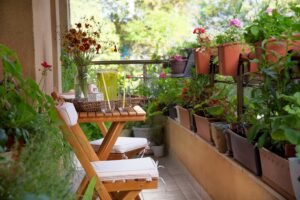
Outdoor decorating ideas for small spaces

Decorating a small patio is quite a challenge, but with planning and imagination you can turn it into your relaxation area. First of all, think about your lifestyle. If you enjoy a morning coffee or reading outdoors, a table and two chairs are enough even in a small space. Consider your lifestyle when choosing how to complement your patio and deciding which outdoor decor is right for you.

Before looking at all the possibilities, it is important to consider a few essential principles of landscaping small spaces. In fact, a successful design largely depends on choosing items that suit the size of the balcony or small terrace they will furnish.

First, consider where your outdoor space is located in relation to the sun. Shade should be an integral part of the design, whether through an overhead structure such as a balcony awning , a pergola, or a lighter option such as a tensioned shade sail.

Second, privacy is an important factor to consider. If your outdoor space is very close to a neighbour’s, consider strategically placing garden ornaments, outdoor artificial plants or even creating your own vertical garden (greenery and flowering plants can make the space feel cooler and more welcoming!).


Decorative panels are another option: they offer privacy and make you feel more sheltered while you enjoy time relaxing outdoors.
Here are some outdoor decorating ideas for small spaces:

  1. Foldable furniture: Choose foldable or modular furniture that can be easily adapted to the available space. A folding table and stackable chairs are excellent options for maximising space on a small terrace.
  2. Plants in hanging pots: Make the most of your terrace’s vertical space by hanging pots from hooks on walls or railings. Hanging plants not only add greenery and freshness, but also help maximise floor space. There are also sun-resistant outdoor artificial plants, which are durable, fade-resistant and need no watering.
  3. Ambient lighting: Create a welcoming atmosphere on your terrace with ambient lighting. Use soft LED lights or lanterns to light the space at night, and add candles or lamps.
  4. Textiles and cushions: Add comfort and style to your terrace with textiles and decorative cushions. Choose colours and patterns that complement your terrace decor, and add plump cushions to the furniture to create a welcoming setting.
  5. Outdoor rugs: Define functional areas on your terrace with outdoor rugs. Place one beneath the dining table or seating area to visually define each space and add warmth underfoot.
  6. Using height: Make the most of your terrace’s vertical space with shelves or tall furniture. Install floating shelves on the walls to display plants, books or decorative accessories, and use tall furniture to store items and maximise storage space.
  7. Water features: Incorporate water features into your terrace to create a relaxing, refreshing atmosphere. A fountain or small waterfall can add a touch of serenity and help block surrounding noise.
  8. Multifunctional spaces: Design your terrace to be multifunctional and adaptable to different activities and needs. For example, use furniture that can serve as seating during the day and as sun loungers in the afternoon.

As you can see, having a small patio or balcony does not mean it cannot become a comfortable, liveable area. Follow these tips to make the most of your outdoor space. If you need help identifying the best option for your space, contact us for free advice.

If you have decided to buy a terrace awning and want to know which option will best suit your home, take a look at this article.

Environmental benefits of bioclimatic pergolas: a sustainable choice for your home

As we seek more sustainable architectural solutions for our homes, bioclimatic pergolas stand out by combining practicality, style and environmental responsibility. Beyond providing a versatile, comfortable outdoor space, these structures can make a positive contribution to the environmental sustainability of our surroundings. In this article, we explore the environmental benefits of bioclimatic pergolas and how they offer a considered way to improve both our comfort and the health of the planet.

1. Making use of solar energy

One of the principal environmental benefits of bioclimatic pergolas is their ability to make efficient use of solar energy. Fitted with adjustable louvres, these structures regulate the amount of sunlight entering the outdoor space, providing shade on hot days and allowing more light in during cooler seasons. By using solar energy effectively, bioclimatic pergolas reduce reliance on non-renewable energy sources, helping mitigate climate change and conserve natural resources.

2. Lower energy consumption

Another of the environmental benefits of bioclimatic pergolas is their ability to reduce household energy use. By limiting the need for artificial heating and cooling, these structures reduce demand for electricity and fossil fuels. This can deliver meaningful savings on energy bills while lowering greenhouse-gas emissions. Greater energy efficiency benefits the environment and supports household finances by reducing the ongoing cost of running the home.

3. Better air quality

Bioclimatic pergolas can also help improve local air quality. By creating additional sheltered areas in the garden, they encourage planting that absorbs carbon dioxide and releases oxygen through photosynthesis. A more comfortable, attractive outdoor space beneath bioclimatic pergolas can also encourage a more active, healthier lifestyle and support the wellbeing of everyone in the home. This is a further environmental benefit of bioclimatic pergolas.

4. A smaller carbon footprint

Among the environmental benefits of bioclimatic pergolas is the opportunity to reduce our personal carbon footprint. These structures lower greenhouse-gas emissions associated with energy consumption and encourage more environmentally responsible ways of living. By making thoughtful, sustainable decisions when creating and maintaining our outdoor spaces, we can make a meaningful contribution to tackling climate change and protecting the planet for future generations.


Bioclimatic pergolas are far more than simple architectural structures for the home. They represent a considered, sustainable way of life that prioritises harmony between people and the natural environment. It is time to make a conscious choice that benefits both your home and the planet.

The benefits of a bioclimatic pergola are numerous. A garden is a special part of the home: somewhere to relax, enjoy nature and spend memorable time with the people we love. A bioclimatic pergola is an innovative way to make that experience even better, transforming your garden into a comfortable, versatile retreat. Below, we explain the benefits of a bioclimatic pergola and why it is an excellent choice for your outdoor space.

Climate control

One of the principal benefits of a bioclimatic pergola is its ability to regulate the climate in your garden. Adjustable louvres let you control sunlight and airflow, creating a cool, pleasant setting even on the hottest summer days. In cooler seasons, you can angle the louvres to admit more sunlight and warmth, maintaining a comfortable temperature outdoors. When it rains or snows, the closed louvres provide complete protection and keep the space beneath them dry.

Creating a comfortable outdoor space

Spending time outdoors in your garden is hard to beat, but poor weather can sometimes get in the way. One of the benefits of a bioclimatic pergola is that you can enjoy the outdoors without worrying about rain, intense sun or strong wind. The structure provides a comfortable, protected setting for dining with friends and family, enjoying leisure activities or simply relaxing with a good book. Integrated lighting and side screens can also be added, allowing you to tailor the pergola to your preferences and create a welcoming atmosphere at any time.

Aesthetics and property value

From a design perspective, the benefits of a bioclimatic pergola include the aesthetic value it adds to both your garden and the wider property. Its elegant, contemporary design creates a distinctive architectural feature that enhances the beauty of your outdoor space. Whether you choose a natural timber pergola for a rustic style or aluminium for a more modern appearance, there are options to complement your taste and garden perfectly.

Sustainability and energy efficiency

Another major benefit of a bioclimatic pergola is its contribution to sustainability. These structures use solar energy to regulate temperature naturally, reducing your carbon footprint and potentially delivering meaningful long-term savings on energy bills. By choosing a bioclimatic pergola, you are investing in a solution that supports energy efficiency and helps protect the environment for future generations.


As you can see, the benefits of a bioclimatic pergola range from thermal comfort and aesthetic appeal to environmental responsibility. By regulating the climate and creating a versatile, comfortable space, it becomes an invaluable investment for enjoying the outdoors throughout the year. Its attractive appearance and sustainable design make it ideal for anyone who wants to combine practicality, style and environmental responsibility at home. Add a bioclimatic pergola to your garden and discover how it can transform your outdoor space. If you are ready to install a bioclimatic pergola on your terrace or in your garden, Tecnitoldo has extensive professional experience in the sector. Contact us to arrange installation or ask for expert advice.

Innovation at home: discover smart roller blinds

Today, smart technology is transforming the way we live and interact with our spaces. Smart roller blinds are a fascinating addition to this revolution, offering not only convenience but also efficiency and style in our homes. In this article, we explore the benefits and features that make smart roller blinds an intelligent choice for modernising your home.

Automation and convenience:

Smart roller blinds enable full or partial automation of light management in your home. With a simple tap on your mobile device, remote control or a timed programme, you can adjust the blinds to suit your preferences. This automation brings convenience while helping save energy by optimising incoming natural light.

Remote control and mobile apps:

Most smart roller blinds are designed to be controlled through mobile apps or remote controls. This means you can manage your blinds from anywhere, giving you the flexibility to adjust lighting even when you are not at home. Some models are also compatible with voice assistants such as Amazon Alexa or Google Assistant, taking automation to a new level of convenience.

Integration with smart-home systems:

Smart roller blinds can be easily integrated with other smart-home devices and systems. This allows you to create personalised scenarios, such as synchronising blind opening with ambient temperature or the time of day. Interoperability with other smart devices such as thermostats, lights and security cameras provides a holistic approach to home control.

Smart scheduling:

The ability to programme blinds to adjust automatically throughout the day is a standout feature. You can programme them to open in the morning to let in daylight and close at night for greater privacy and energy efficiency. This smart scheduling is particularly useful for simulating occupancy when you are away.

Energy efficiency:

Smart management of sunlight through blinds contributes to your home’s energy efficiency. You can make the most of natural light during the day, reducing the need for artificial lighting while regulating indoor temperature for more efficient energy consumption.

Customisable style:

Smart roller blinds are available in a range of styles, colours and materials, allowing them to suit your home’s aesthetic. From roller blinds to sliding panels, there are options for every design preference.

Full-cassette awnings: the perfect choice for your terrace

A full-cassette awning is a type of retractable awning with an additional system that protects the fabric and mechanisms when closed. It is called a “cassette” because it completely encloses the awning when not in use. This is a popular choice for anyone who wants better protection from the weather and a longer service life for their awning.

The awning retracts into an enclosed casing. This protects it from rain, dust, dirt and other elements, helping to prevent premature wear to the fabric and internal mechanisms. Thanks to this protection, full-cassette awnings also tend to last longer and require less maintenance than standard awnings.

Full-cassette awnings have a neater, cleaner appearance when closed because the fabric and components are concealed inside the casing, creating a more elegant finish. Most full-cassette awnings also include remote controls or automated mechanisms that make them easy to open and close, adding convenience and versatility to everyday use.

By shading outdoor areas, awnings can help reduce the surrounding temperature and consequently lower the use of indoor air-conditioning systems. This can deliver savings in both energy and costs. The cassette not only extends the awning’s service life, but also makes maintenance easier by shielding the fabric and mechanisms from the weather.

Full-cassette awnings are available in a variety of styles, colours and designs, allowing them to adapt to different architectural settings and aesthetic preferences. These awnings combine functionality, durability and attractive design, making them an excellent option for anyone looking to enhance an outdoor space with greater comfort and style.

Hospitality enclosures: optimising spaces and experiences

In the hospitality sector, the ability to offer customers unique, comfortable experiences is essential. Hospitality enclosures play a crucial role, providing versatile and efficient solutions that not only improve customer comfort but also optimise business operations. Here are some of the most innovative enclosure options for hospitality businesses.

One of the most sought-after hospitality enclosures is the glazed terrace, which has become a popular option for many venues. These structures allow customers to enjoy the advantages of outdoor space without being affected by harsh weather. Their transparent design creates a sense of openness, while thermal insulation ensures comfort in both winter and summer. Their modern aesthetic also adds a touch of elegance to the setting.

Retractable awnings are an excellent hospitality enclosure option for those who want to control exposure to sun or rain with ease. These systems allow a space to be opened fully on sunny days and closed when weather conditions are less favourable. Alongside their functionality, retractable awnings offer a contemporary design that suits different styles of venue.

Automation is transforming hospitality enclosures. Automated opening and closing systems, weather sensors and remote control are changing the way owners manage their spaces. These solutions offer convenience while optimising energy consumption and enabling more precise control of temperature and lighting.

To optimise indoor space, hospitality enclosures with modular interior partitions are the perfect choice. Dividing panels and movable walls make it possible to adapt a venue layout to changing needs, whether for special events, private meetings or simply to adjust capacity.

Hospitality enclosures are strategic investments that can make a real difference in a competitive market. Whether creating a welcoming outdoor setting, improving the flexibility of indoor space or incorporating cutting-edge technology, choosing the right enclosure can have a significant effect on a venue’s success and reputation. Keeping up with the latest trends and options is crucial for those looking to stand out in hospitality. If you want something similar for your business, Tecnitoldo offers a wide range of products for hospitality and food-service businesses that are sure to meet your needs. If you cannot find what you are looking for or need advice, contact us; we will be delighted to help. Or, if you prefer, request your quote.

A pergola for year-round use: the perfect solution for your outdoor space

If you want to create an outdoor space that remains practical throughout the year, a pergola for year-round use is a versatile, elegant solution. We explain how to choose pergolas that adapt to changing weather conditions, providing a comfortable, stylish shelter all year round. From adjustable-cover options to winter-specific accessories, discover how to turn your pergola for year-round use into an all-season retreat. At Tecnitoldo we offer every type of solar-shading system. You can also view all our available pergolas; if you cannot find what you need, contact us.

Adaptability of a pergola for year-round use

The real beauty of a pergola for year-round use lies in its ability to adapt to changing conditions. Choosing a structure with an adjustable cover lets you control sunlight and rain protection, creating a comfortable space even on the most unpredictable days.

A pergola for year-round use with adjustable louvres and retractable awnings

Pergolas for year-round use with adjustable louvres or retractable awnings offer the flexibility needed to adapt to the weather. Open the louvres to let sunlight in on warm days, or close them to stay dry during an unexpected shower. You can also add side enclosures to protect your space from cold winds or driving rain. These can be made from transparent materials to maintain a connection with the outdoors.

Make your pergola welcoming all year round

To make your pergola for year-round use even more welcoming, particularly on cold evenings, invest in outdoor heating and carefully designed lighting. Patio heaters and soft lighting can turn your pergola for year-round use into a usable living space, even in cooler seasons. For winter, consider thermal curtains or side covers to help retain heat. These accessories add warmth while creating a welcoming, sheltered setting.

Versatility and style in a pergola for year-round use

Choosing a pergola for year-round use means considering function as much as style. With adjustable-cover options, side enclosures and specific accessories, you can create an outdoor retreat that adapts to any weather. Turn your pergola for year-round use into a versatile space that not only withstands the elements, but also invites you to enjoy your surroundings throughout the year. With intelligent design, your pergola for year-round use will become the perfect place to relax, entertain and connect with nature in every season. When you are ready, you can request your quote with no obligation.


Awnings are an elegant, practical addition to any home, providing shade and protection from the elements. Regular maintenance and proper cleaning are essential to ensure your investment lasts and continues to look its best. This step-by-step guide offers practical advice on how to clean an awning.

HOW TO CLEAN AN AWNING

Step 1: Inspect it regularly

Before cleaning, inspect your awning carefully. Look for signs of wear such as tears, fading or damage to the operating mechanisms. Identifying issues early allows you to address them before they become more serious.

Step 2: Remove dust and debris

Begin by removing dust and debris from the awning’s surface. Use a soft brush or handheld vacuum cleaner, paying particular attention to seams and corners where dirt tends to accumulate.

Step 3: Clean any stains

If the awning is stained, clean it with mild detergent and warm water. Apply the cleaning solution with a soft-bristled brush and rub the marks gently. Avoid harsh chemicals, as they could damage the awning material.

Step 4: Rinse thoroughly

After cleaning, rinse the awning thoroughly with clean water. Use a garden hose to ensure no detergent remains on the fabric. Allow the awning to dry completely before retracting it to prevent mould from forming.

Step 5: Lubricate the mechanisms

If your awning is retractable or has any operating mechanism, apply lubricant to the moving parts. This will ensure smooth operation and extend the components’ service life.

Step 6: Store it properly in winter

If you live in an area with severe winters, consider storing your awning during the winter season. Follow the manufacturer’s instructions to fold and store it correctly, protecting it from adverse weather.

Following this step-by-step guide will help keep your awning in optimum condition, ensuring it remains durable and looks impeccable for years to come.

TECNITOLDO IN LA VERDAD’S SPECIAL FEATURE

Leading brands serving homeowners’ associations are featured this month in the newspaper La Verdad. Tecnitoldo was invited to take part in this special edition, where you can read the latest news and developments from companies involved in the development, maintenance and management of residential communities.

It is aimed at professionals and young students who want to broaden their knowledge of services for residential communities in Murcia and across Spain. 

We are proud to represent the solar-protection sector in this edition and to appear alongside such important companies. 

You can read our interview and the full edition at the following link.