
Sliding-canopy pergola: the perfect balance of light and shade


Why choose a sliding-canopy pergola?
It has an awning that can be easily retracted manually using the cord cleat, or by remote control if a motor is installed.
Private spaces, gardens, restaurants, terraces and more: this system works beautifully in almost any setting.
It is available in a broad range of fabrics, colours and finishes, with the option to add a side enclosure using our vertical screens.
Our many years of sector experience make us the ideal choice for installing your sliding-canopy pergola in Murcia or Alicante.
The structure of this elegant sliding-canopy pergola is made from aluminium, and its sections are available in several sizes to suit your needs.
This type of sliding-canopy awning is one of the best solutions for covering large spaces. For smaller spaces, we recommend our full-cassette awnings.
Multiple structures can be installed one after another to cover as much space as you need. The fabric forms gentle waves, giving the space a classic, elegant atmosphere.

– Premium aluminium pergola available in several profile sizes.
– A fast, cost-effective and practical solution for spaces that need reliable cover.
Powder-coated in a wide range of RAL colours.
– Stainless-steel fixings.
– All assembly fixings are concealed.
– Highly stable structure.
– The lattice system allows a larger garden awning to be created without adding extra columns.


10-year guarantee on all our fabrics
and outstanding technical support
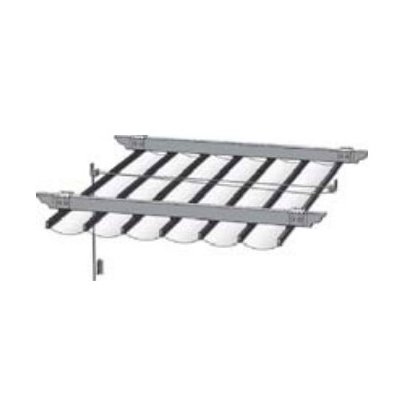
Ceiling-mounted sliding-canopy pergola
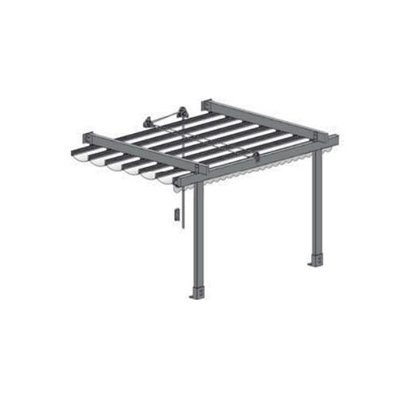
Sliding-canopy pergola with a goalpost frame
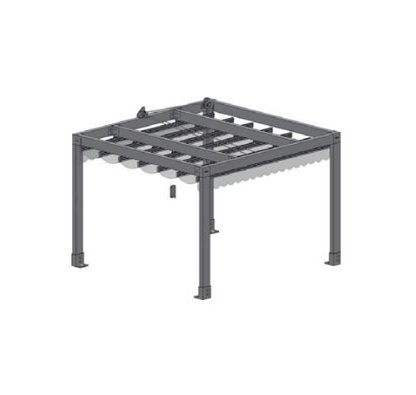
Sliding-canopy pergola
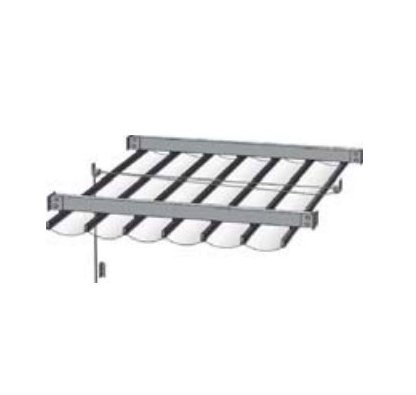
Wall-to-wall sliding-canopy pergola
Do you need a quote or information?
Tell us what you need and our professional team will contact you.
Installation options for a sliding-canopy pergola
When considering the installation of a sliding-canopy pergola, it is essential to take into account several factors that will affect its design and functionality. From location to maintenance, every aspect influences the final result.
Choosing the right location for a pergola is crucial. We recommend assessing several factors before deciding on the most suitable position:
- Direction of the sun: observe how the sun moves throughout the day and identify the areas that receive the most light and heat.
- View: choosing a location with a good view can enhance the appearance and enjoyment of the outdoor space.
- Proximity to the home: installing the pergola near the house makes access easier and helps connect the space with the home’s interior.
Depending on the location and scale of the installation, planning permission may be required. It is advisable to check the current regulations before starting the project. The following factors must be considered:
- Local regulations: some areas require specific permission to install outdoor structures.
- Type of structure: whether the pergola is permanent or temporary may affect the need for permission.
- Height and dimensions: check whether any restrictions apply to the height or size of the proposed pergola.
The drainage system should also be checked to ensure there are no blockages that could cause problems during rainfall. Finally, any motorised mechanisms should be inspected to ensure correct operation.
Regular maintenance is essential to extend the life of a pergola. Different care strategies should be considered depending on the material selected.
Maintaining wooden structures
Wooden pergolas require special care to preserve their appearance and functionality. The following practices can help:
- Protection from moisture: applying a penetrating wood treatment is essential to protect the timber from moisture and prevent mould or deterioration.
- Varnishing and oiling: applying varnish or oil periodically ensures that the wood retains its colour and sheen.
- Regular inspections: inspecting the structure regularly allows any damage to be identified and repaired before it becomes a more serious problem.
Maintaining aluminium structures
Aluminium pergolas are easier to maintain, but still require some care to maximise their durability. The following practices should be considered:
- Regular cleaning: cleaning the surface with water and mild soap prevents dirt from accumulating and helps prevent corrosion.
- Check joints and fixings: ensuring that every part is securely connected will prevent structural problems in the long term.
- Surface protection: although aluminium is corrosion-resistant, applying a suitable sealant can help preserve the finish.